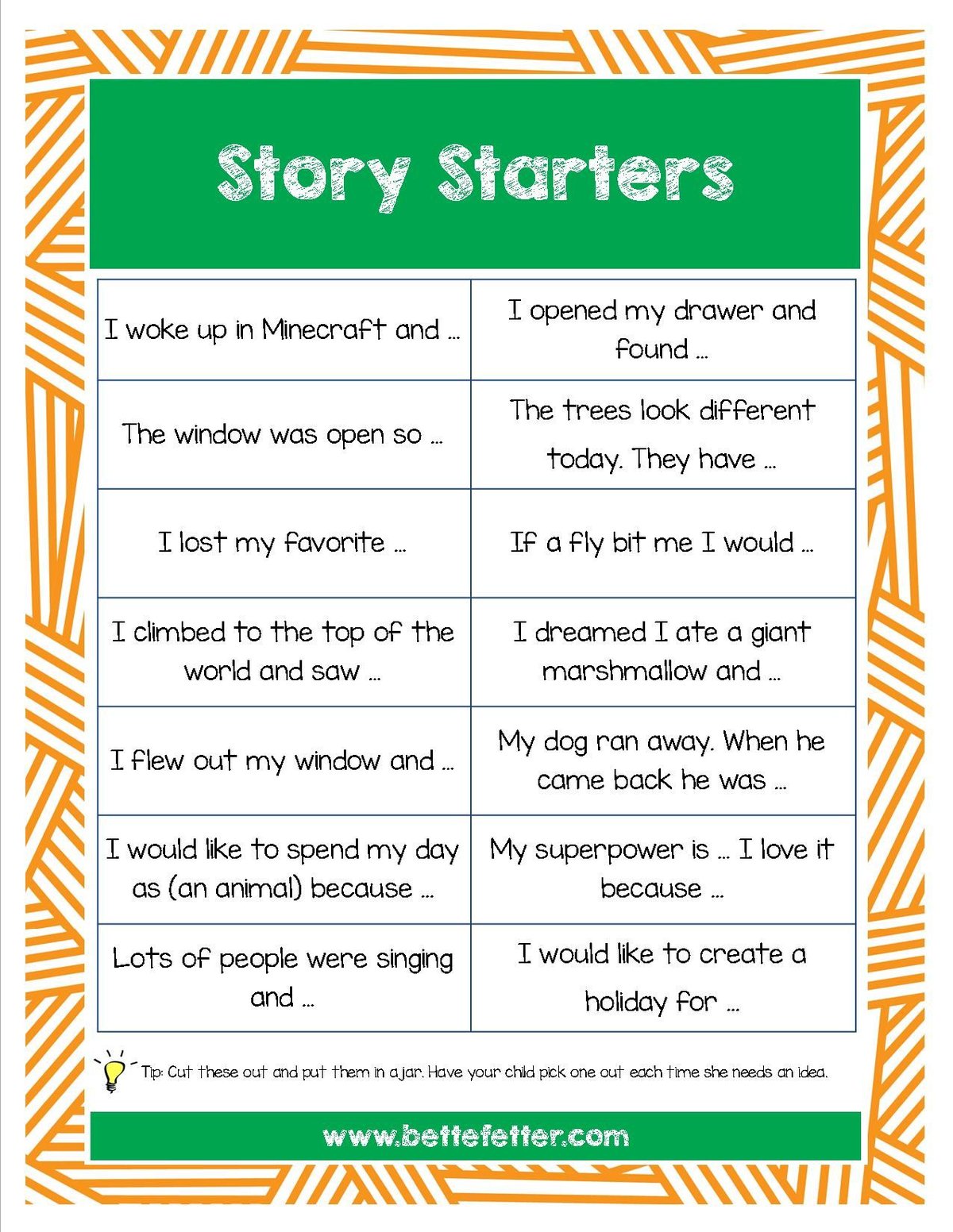
Think of the blank page not as an empty space, but as a vast, open field of possibility. Sometimes, though, that field can feel less like an invitation and more like a barren desert. That’s where Creative Writing Prompts & Story Ideas ride in like a cavalry, ready to ignite your imagination, banish writer’s block, and build the consistent writing habits that turn aspiration into accomplishment.
As a seasoned guide through the literary landscape, I've seen countless writers—from hesitant beginners to seasoned pros—transform their craft with the simple power of a well-chosen prompt. This isn't just about finding a quick fix; it's about cultivating a deep well of inspiration and discipline.
At a Glance: Your Creative Writing Prompt Toolkit
- What They Are: Creative writing prompts are short, focused ideas or scenarios designed to kickstart your imagination.
- Why You Need Them: They beat writer's block, develop consistent writing habits, and help you explore new genres or styles.
- Where to Find Them: Online directories, writing communities, contests, books, and even everyday life.
- Beyond the Prompt: True growth comes from consistent practice, reading widely, and embracing the entire writing process—from initial spark to final polish.
- Actionable Advice: Set goals, stay accountable, schedule non-negotiable writing time, and read voraciously.
Why Prompts Are Your Secret Weapon Against a Blank Page
Every writer, no matter their experience, eventually stares down that intimidating expanse of white. It's the moment where ideas feel scarce, where the internal editor screams "not good enough!" before you've even typed a word. This isn't a sign of failure; it's a universal challenge, and creative writing prompts are your most effective weapon.
More than just suggestions, prompts are designed to be catalysts. They give your brain a starting point, a question to answer, or a scenario to explore. This initial push can dismantle the pressure of having to invent everything from scratch, freeing up your mental energy to focus on the how of writing rather than the what. They’re particularly adept at helping you develop consistent writing habits, transforming sporadic bursts of inspiration into a reliable, enjoyable routine.
Think of it as having a personal trainer for your imagination. Prompts stretch your creative muscles, push you into new narrative territories, and often lead to "aha!" moments you might never have discovered on your own.
Finding Your Spark: Where to Discover Creative Writing Prompts
The beauty of prompts is their abundance and accessibility. You don't need to reinvent the wheel to find a great starting point; the world is practically overflowing with ideas.
Online Directories & Thriving Communities
The internet is a goldmine for writing inspiration. Websites dedicated to prompts offer vast libraries, often categorized by genre, theme, or even character types. A fantastic example is the Reedsy Prompts Directory, which boasts over 2,400 story ideas, ranging from simple sentence starters to complex scenario builders. Many of these platforms are backed by vibrant communities, like the Reedsy Community itself, comprising more than 750,000 authors. These spaces not only provide prompts but also offer opportunities to share work, receive feedback, and connect with fellow writers. Beyond dedicated directories, you’ll find prompts cropping up on writing blogs, forums, and social media groups – often daily.
Contests & The Thrill of a Deadline
Nothing motivates quite like a deadline, and writing contests often come packed with specific prompts. Reedsy Contests, for instance, sends out a newsletter every Friday with five themed prompts, giving writers just one week to submit a short story. The stakes are real: a winner is picked weekly to receive $250 and a highlight on their website. These contests aren't just about winning; they're about consistent practice under pressure, forcing you to develop a story quickly and hone your craft. The themed nature of the prompts can also push you out of your comfort zone, encouraging you to explore genres or concepts you might otherwise avoid.
Books, Journals, and Everyday Life
Beyond the digital realm, traditional prompt books offer curated collections for focused practice. Many journals dedicated to creative writing also include prompts designed to encourage daily reflection and storytelling.
But perhaps the richest source of story ideas lies in the world around you. Pay attention to:
- Overheard Conversations: A snippet of dialogue in a coffee shop can be the seed of a character or conflict.
- News Headlines: Tragic or triumphant, local or global, current events can inspire fictional narratives that explore human nature.
- Personal Experiences: Your own life, or the lives of those you know, are full of untold stories waiting to be fictionalized.
- Visual Stimuli: A photograph, a painting, a unique architectural detail—any visual can spark a narrative.
- Dreams: The bizarre logic of dreams can be a fantastic source of surreal or symbolic prompt material.
By cultivating an observant mindset, you'll find that inspiration isn't something you wait for; it's something you actively discover, even in the mundane.
Tailoring Your Prompts: Different Flavors for Every Storyteller
Just as a chef uses different ingredients for different dishes, writers benefit from a variety of prompts. The key is finding the right "flavor" that resonates with your current interests and goals.
Genre-Specific Prompts to Hone Your Niche
Many writers gravitate towards particular genres, and prompts tailored to these areas can be incredibly effective. Whether you're drawn to the fantastical or the intensely personal, there's a prompt designed to speak your language. Consider popular genres and the types of prompts that work well for them:
- Fantasy: "A dragon hatches in a suburban backyard." "The ancient map leads to a Starbucks." These prompts often involve blending the mythical with the mundane, or exploring unique magical systems and creatures.
- Romance: "Two rivals are trapped in an elevator during a city-wide blackout." "They fall in love with someone they only know through anonymous online messages." These often focus on meet-cutes, forced proximity, or slow-burn emotional development.
- Thriller: "A secret society hides in plain sight, their symbol appearing on ordinary objects." "The detective has one hour to stop a bomb planted in a historic landmark." Thriller prompts lean into suspense, high stakes, and intricate plots.
- Mystery: "The only witness to the crime is a cat." "The will states that the inheritance goes to the person who can solve a century-old riddle." Mystery prompts emphasize clues, red herrings, and logical deduction.
- Dystopian: "Water is a luxury, only granted to those who excel in a brutal competition." "Children are assigned their life's profession at birth, but one rebels." These prompts explore societal control, rebellion, and bleak futures.
- Dramatic: "A family secret unravels during a tense holiday dinner." "Two estranged siblings must reunite to save their ancestral home." Dramatic prompts focus on character-driven conflict, emotional depth, and realistic relationships.
- Funny: "A group of incompetent superheroes tries to save the day, with disastrous results." "An office worker accidentally swaps bodies with their pet." Humorous prompts often rely on absurd situations, witty dialogue, and unexpected turns.
By focusing on genres like these, you can practice the tropes, pacing, and character archetypes specific to the kind of stories you love to tell.
Targeting Age Groups & Skill Levels
Prompts aren't one-size-fits-all. What inspires an adult might be overwhelming or inappropriate for a middle schooler. Prompts can be categorized for:
- Elementary School: Often simple, imaginative, focusing on animals, talking objects, or wish fulfillment ("What if your pet could talk for a day?").
- Middle School: Introduce more complex characters, basic conflicts, and slightly longer narratives ("You discover a secret passage behind your locker at school").
- High School: Can delve into mature themes, moral dilemmas, and more intricate plots ("A new student arrives who seems to know everyone's deepest fears").
- Adults: Offer open-ended scenarios, psychological depth, and room for exploring complex emotions or societal issues ("A seemingly perfect life unravels with the discovery of a single, forgotten letter").
- Inspirational or Cool & Unique: These often transcend age, aiming to simply ignite curiosity and wonder.
Choosing prompts suited to your audience or your personal skill development can make the writing process more enjoyable and productive. Sometimes, you need a completely fresh perspective, and a random phrase generator can provide just the unexpected spark to get your story moving in a direction you never anticipated.
Beyond the Prompt: Cultivating a Writer's Mindset & Habits
A prompt is merely a seed; it's the consistent care and cultivation you give it that allows it to flourish. Developing a robust writer's mindset and solid habits is crucial for long-term growth. Grant Faulkner, a professional writer and writing expert with an MA, offers invaluable advice on this very subject.
Setting Achievable Milestones
The journey of writing a novel, or even a short story, can feel daunting. That's why setting realistic goals is paramount. Don't start by aiming for 2,000 words a day if you've never written consistently. Begin with achievable word count goals per week or day—perhaps 100 words, or even just 15 minutes of focused writing. Gradually, as writing becomes a routine, you can increase the stakes and challenge yourself further. Small wins build momentum and confidence.
The Power of Accountability
Writing can be a solitary pursuit, but it doesn't have to be isolating. Discuss your writing projects with family, friends, or, even better, a dedicated writing group. Sharing your goals publicly or with a trusted circle encourages follow-up and commitment. Knowing someone will ask "How's the story coming?" can be a powerful motivator to keep pushing forward. Accountability partners can also provide emotional support and a sounding board for ideas.
Making Time: Your Non-Negotiable Writing Slot
One of the most effective strategies is to implement what's called Non-Negotiable Writing Time (NNWT). This means scheduling dedicated writing slots, daily or weekly, and treating them as serious commitments. Avoid other appointments during this time. Whether it's the first hour of your day, a lunch break, or an evening slot, make it sacred. This consistent effort, even in small increments, adds up over time and reinforces writing as a priority.
Battling the Blank Page: Pre-emptive Strikes Against Block
Writer's block is inevitable, but it doesn't have to be a showstopper. Prepare tips and tricks in advance to stay on track. This might mean having a list of mini-prompts ready, switching to a different project for a while, going for a walk, or even just doing some light stretching to clear your head. Sometimes, the best way to arm yourself against writer's block is to simply get out of your own head and try something completely new. Consider letting a random phrase generator give you a new angle on your current dilemma, forcing your brain to make unexpected connections.
The Muscle of Consistency
Writing skills, like any other, primarily develop through constant practice. Think of it as building a muscle. The more you use it, the stronger it gets. Consistent practice, even if it's just daily journaling, refines your voice, improves your flow, and makes the act of writing feel more natural and less like a chore. Don't wait for inspiration; show up, and inspiration will often meet you halfway.
Unleashing Freewriting's Magic
If writer's block feels particularly stubborn, try freewriting. As recommended by Julia Cameron in The Artist's Way, freewriting involves writing continuously for a set period (say, 10-15 minutes) without stopping, editing, or worrying about grammar or coherence. The goal is to simply get words on the page and get your creative gears turning without inhibition. It's a fantastic way to bypass your inner critic and access raw ideas.
Become a Ravenous Reader
One of the most profound ways to improve your writing is to read extensively. Read widely across genres, authors, and styles. Reading fosters an appreciation for language, exposes you to different narrative structures, helps you find your unique voice, and often improves your writing more effectively than solely studying grammar mechanics. Pay attention not just to the story, but to how the author tells it.
The Critical Eye
Once you've poured your heart onto the page, switch hats. Approach your writing with a critical eye, constantly seeking improvement. This doesn't mean being overly harsh on your first draft, but rather, after some time away, returning to your work with an analytical mindset. Ask yourself: Is the dialogue authentic? Is the plot engaging? Are the characters compelling? This critical distance is essential for revision.
The Technical Polish
While reading and consistent writing are paramount for developing your craft, formal writing instruction and correct grammar/spelling are still important and complementary to the artistic process. Knowing the rules allows you to break them effectively, and a polished manuscript enhances readability and credibility. Don't let grammar be a barrier to starting, but make it a priority in your revision process.
Transforming a Prompt into a Full-Fledged Story: A Practical Workflow
The prompt is just the beginning. The real magic happens when you transform that initial spark into a cohesive narrative. Here's a practical workflow to guide you:
Deconstruct the Prompt
Don't just read the prompt; dissect it. Identify the core elements: Who is involved? What is the central conflict or situation? Where does it take place? What mood or theme does it suggest? Underline keywords, brainstorm immediate associations, and let your mind wander through the possibilities implied.
Brainstorming & Mind Mapping
Once you've understood the prompt, let your ideas flow freely. Use mind maps, bullet points, or stream-of-consciousness writing to explore:
- Character Ideas: Who is the protagonist? What do they want? Why do they want it? What obstacles stand in their way?
- Setting: Where does the story take place? What is the atmosphere? How does the setting impact the characters or plot?
- Conflict: What is the central problem? Is it internal (character vs. self) or external (character vs. character, nature, society)?
- Plot Points: Without getting bogged down, sketch out a potential beginning, middle, and end.
- Sometimes, when you're feeling stuck, a random phrase generator can kickstart unexpected connections, offering a word or concept that breaks you out of a rut and sends your brainstorming in a surprising, fruitful direction.
Outline Your Narrative Arc
Before you dive into writing, give your story some structure. This doesn't have to be a rigid, chapter-by-chapter outline. Even a simple three-act structure (beginning, rising action, climax, falling action, resolution) can provide a roadmap. For shorter pieces, a few bullet points outlining key events might suffice. An outline prevents you from getting lost halfway through and ensures your story has a sense of direction.
Draft Without Judgment
This is where you get the story down. Silence your inner critic and focus solely on putting words on the page. Don't worry about perfect prose, impeccable grammar, or clever metaphors. The goal of the first draft is simply to tell yourself the story. Embrace imperfection; you can always fix it later. The important thing is to complete the draft.
Revise and Refine
Once the first draft is complete, take a break. Step away for a day, a week, or even longer if possible. When you return, you'll have fresh eyes. Now, the real work begins:
- Big Picture: Does the plot make sense? Are the characters consistent? Is the pacing effective?
- Scene Level: Is each scene engaging? Does the dialogue sound natural? Are there unnecessary details?
- Line Level: Polish your sentences, choose stronger verbs, eliminate clichés, and refine your word choice.
Seek Feedback
Sharing your work can be intimidating, but fresh eyes are invaluable. Find trusted readers—friends, family, or, ideally, a writing group—who can offer constructive criticism. They might spot plot holes you missed, suggest character motivations you hadn't considered, or point out areas where your writing isn't as clear as you thought. Be open to feedback, but remember that ultimately, it's your story to tell.
Common Prompt Pitfalls & How to Avoid Them
Even with the best intentions, it's easy to fall into common traps when working with creative writing prompts. Recognizing these pitfalls can save you time and frustration.
Overthinking the Prompt
One of the biggest mistakes is trying to find the "perfect" interpretation or feeling too constrained by the prompt. A prompt is a springboard, not a cage. Don't get stuck analyzing every word, trying to guess what the prompt wants from you. The best stories often emerge when you simply take the prompt and run with the first idea that sparks your interest. Let it be a catalyst, not a strict instruction manual.
Ignoring Your Instincts
While prompts are meant to guide you, they shouldn't force you into a story you have no passion for. If a prompt suggests a fantasy setting but you're itching to write a contemporary romance, find a way to adapt the prompt to your interests. Maybe the "magical artifact" becomes a prized family heirloom, or the "dragon" is a metaphor for a formidable opponent. Let the prompt open a door, but walk through it in your own way.
Fear of the "Bad" Draft
Every writer has written a terrible first draft. It's a fundamental part of the process. The fear of producing something "bad" often leads to procrastination or abandonment. Embrace imperfection. The purpose of a first draft is to capture the raw essence of your story, not to be a masterpiece. Remind yourself that editing exists for a reason, and even the most brilliant authors have messy beginnings.
Waiting for Inspiration to Strike
Perhaps the most common pitfall for any writer. Inspiration is fickle; it comes and goes. Waiting for it to arrive before you start writing is a surefire way to never write consistently. Prompts are specifically designed to bypass this waiting game. They provide the initial push, creating the conditions for inspiration to emerge during the writing process. Show up, put in the time, and you'll find that inspiration often follows.
Frequently Asked Questions About Prompts
Let's address some common curiosities about creative writing prompts.
"How often should I use prompts?"
There's no hard and fast rule, but consistency is key. For building habit, daily or several times a week is excellent. For overcoming writer's block or exploring new ideas, use them as needed. Many writers keep a running list of prompts and pick one when they feel stuck or simply want to try something fresh.
"Can prompts lead to publishable work?"
Absolutely. Prompts are starting points, not limitations. Many published short stories, novels, and even screenplays have originated from a simple prompt. They provide the initial spark, and it's your craft, dedication, and revision that turn that spark into a polished, publishable piece. Think of them as creative launchpads.
"What if I don't like the prompt?"
If a prompt doesn't resonate, don't force it. You can modify it to suit your interests, combine it with another prompt, or simply use it as a jumping-off point for a tangential idea. Sometimes, the initial discomfort with a prompt can even lead to an interesting challenge. If all else fails, simply move on to a different one or try a new phrase generated at random to get a completely fresh perspective.
"Are prompts only for beginners?"
Not at all! Professionals and seasoned writers use prompts regularly for a variety of reasons: to break out of routine, to explore new genres, to kickstart a new project when feeling stuck, or simply to keep their creative muscles limber. They're a universal tool in a writer's kit, valuable at every stage of the journey.
Your Next Chapter Starts Now
The journey of a thousand stories begins with a single word, or in our case, often a single prompt. Creative Writing Prompts & Story Ideas are more than just exercises; they are invitations to explore, to discover, and to grow as a storyteller. They offer a direct path to overcome inertia, cultivate discipline, and unlock narratives you didn't even know were waiting within you.
The tools are at your fingertips: vast online directories, engaging communities, the thrill of contests, and the subtle inspiration found in everyday life. Couple these resources with a commitment to consistent practice, avid reading, and a willingness to embrace imperfection, and you're well on your way to a thriving writing life.
So, pick a prompt. Any prompt. Don't overthink it. Don't wait for the perfect moment. That moment is now. Perhaps you could even generate a random phrase to start right now and see where it takes you. The blank page awaits your unique voice and the stories only you can tell. Go forth and create!